BlockxBlock

Reshaping Blocks

Mexico City and its transformation by airbnb

Someone who performs their occupation entirely over the Internet while traveling. Such a person who has no permanent fixed home address

Transnational refers to the movement of power, money, and decision-making across national borders.

Gentrification refers to the process by which rising investment and demand reshape neighborhoods, increasing property values and living costs in ways that often displace longtime residents.

In Mexico City, gentrification is no longer only local. Cross-border incomes, remote work, and short-term rentals accelerate displacement, transforming neighborhoods into flexible assets shaped by global demand rather than long-term residents.

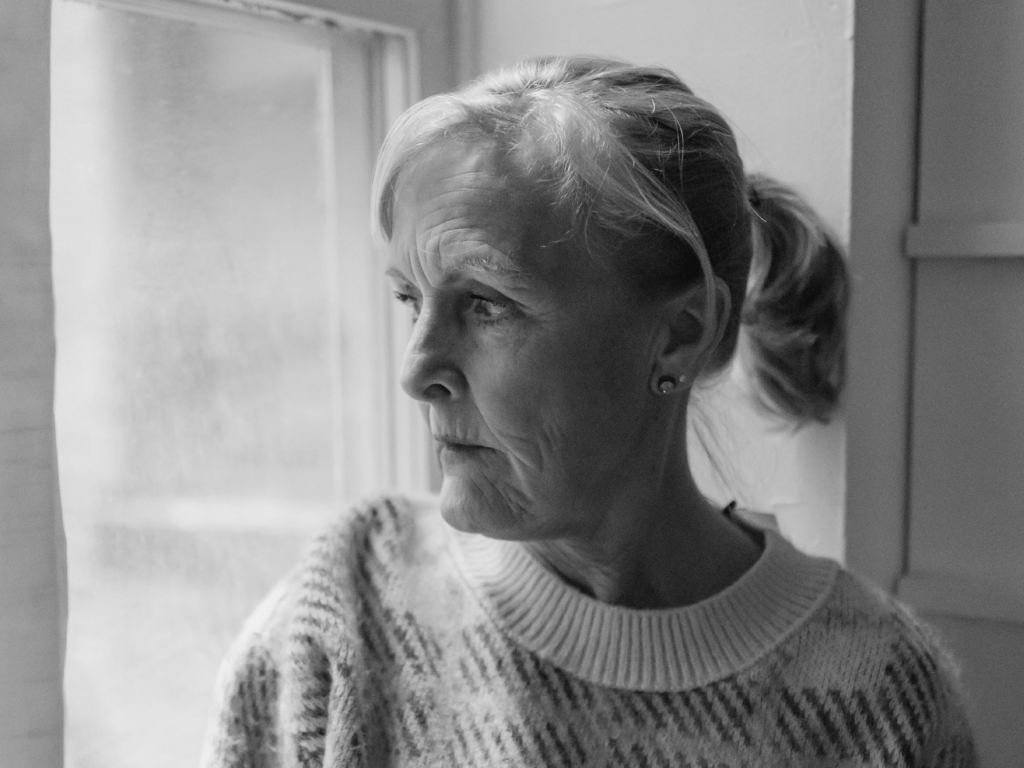
How displacement slowly begins

A lease not renewed

Sudden steep rent increases

Corner stores replaced by cafés, brunch spots, or co-working spaces

Menus and signage switch to English-first

The common thread is that none of these signs announce displacement outright. They create instability first, making it harder to stay before forcing anyone to leave.

Who pays the price?

Displacement does not happen in isolation, and it is not unique to one city. From Mexico City to neighborhoods across the U.S. and Europe, people describe similar experiences of rising costs, cultural change, and increasing instability. This section centers those voices and the human cost behind the pattern.

Diana Gatica - Mexico City

Neighborhood groups in Mexico City say some tenants are being quietly forced out so landlords can turn their units into short-term rentals for tourists. In the city center, families are leaving as owners make room for wealthier newcomers. One resident, Diana Gatica, said she was told to move out when her lease ended because her apartment’s view made it especially valuable for Airbnb. Even after she offered to pay a higher rent, the owner refused. Now paying 10,000 pesos a month, she is struggling to find another place within her budget as rents continue to rise. The search has taken a serious emotional toll, leaving her anxious and awake at night worrying about where she will live.

Read more here

Brindy Bringhurst - Phoenix Arizona

Brindy Bringhurst argued that the lack of affordable housing is a serious problem, but said the main cause is large institutional investors purchasing huge numbers of homes to use as long-term rentals. In her view, that trend is what pushes rents higher and makes it more difficult for families to find reasonably priced housing. Bringhurst, who describes herself as an “Airbnb ambassador,” helps property owners convert their homes into rental properties.

Read more here

Lara - Mexico City

Lara describes the issue as deeply tied to class inequality, arguing that neighborhoods are increasingly becoming places only higher-income residents can afford. Se says it is impossible for her to compete with people earning U.S.-level wages, and that this pressure is displacing small business owners and longtime locals while weakening the community over time. Before the pandemic, she remembers his area as full of local mechanic shops, tortillerías, and butcher shops that served not only as businesses but also as everyday gathering places where neighbors connected. She says many of those familiar spaces and social routines have disappeared as rising living costs force longtime residents out, leaving the neighborhood less accessible to the people who once shaped it.

Read more here 

Andreu Martinez - Barcelona Spain

As short-term rentals spread through his neighborhood, Martínez says his rent has climbed by more than 30 percent. He describes a chain reaction in which everyday local businesses are replaced by tourist-focused shops and trendy spots, leaving longtime residents feeling as though they are being steadily forced out of the place they have always called home.

Read more here

Michelle Castro - Mexico City

Castro says she has seen the city’s working-class neighborhoods slowly transformed as homes become tourist rentals. For many longtime residents, she says, soaring rents tied to Airbnb and foreign demand are making it impossible to remain in the communities they grew up in.

Read more here

In Summary

When these experiences are placed alongside voices from cities in the United States and Europe, a larger pattern becomes clear: although the locations differ, the pressures are parallel. This is not an isolated issue tied to one place, but a systemic one that crosses borders and demands collective awareness, accountability, and action. 

Listen to the people living it

Testimonial Audio

2 Videos

Hidden in Plain sight

This section reveals how the effects of gentrification often hide in plain sight. What looks like growth or covenience can mean fewer homes for local residents, rising rents, and neighborhoods becoming harder to afford for the people who grew up in them. 

Between 2019 and 2023, Airbnb listings exploded by up to 74%. 
This surge reduced long-term housing availability, raised rents and home prices, and displaced more local residents at an alarming rate. 

In neighborhoods like Roma Norte and Hippodromo, nearly 1 in 5 homes is now an Airbnb.
Shrinking the supply of homes available to local residents while driving up housing costs. 

A one bedroom apartment went up about 30% in just four years. Making it harder for young adults to afford a home in the neighborhoods they grew up in. 

In some cases, new builds were advertised in English. 
Reaching a foreign audience and excluding those who only speak the home language. 

With the influx of foreigners, everyday businesses like corner stores and tortillerias are being replaced with English-named cafes, wine bars, and coworking spaces. 

Who plays a role

Government

Government plays a role when it fails to regulate housing strongly enough and when it promotes the city as a destination for remote workers without equal protections for local residents. In 2022, Mexico City partnered with Airbnb to help market the city as a remote-work hub, even as housing concerns were already being raised.

Read more here

Investors and Platforms

nvestors and rental platforms help turn housing into a profit-driven asset. As short-term rentals become more lucrative than long-term housing, apartments can be pulled from the local market, renovated for higher-paying visitors, and reintroduced at prices many residents cannot afford. In central Mexico City neighborhoods, Airbnb listings rose sharply from 2019 to 2023, alongside documented building conversions and evictions. 

Read more here

Travelers

Travelers and digital nomads increase demand in already desirable neighborhoods like Roma, Condesa, and Juárez. Even when individuals are not acting with harmful intent, their spending power can make short-term rentals and newcomer-oriented businesses more profitable than housing and services aimed at long-term local residents. Reuters reported that landlords were increasingly choosing higher-paying Airbnb guests over local tenants. 

Read more here

Social Media

Social media helps amplify the process by making certain neighborhoods more visible, desirable, and marketable. Posts about “aesthetic” cafes, walkable streets, and trendy local spots can work like free advertising, attracting more visitors, new investment, and businesses designed for outside audiences. Research shows that social media posts often promote upscale spaces while making other local businesses and everyday realities less visible. 

Read more here

Conclusion

Whats Being Done

Mexico City has begun responding with new housing and rental measures. Since 2024, the city has moved to regulate short-term rentals through host registries and occupancy limits, while newer proposals aim to cap rent increases at inflation, expand affordable and public housing, and create stronger protections for tenants. These steps show that the problem is no longer being ignored, but many of these measures are still being debated, implemented unevenly, or challenged in court.

Read More Here

Potential Solutions

Long-term solutions will need to go beyond tourism alone. Researchers and reporting on the crisis point to a mix of stronger enforcement of short-term rental rules, more public and affordable housing, better tenant protections, limits on speculative development, and housing policies shaped with residents rather than outside investors in mind. In other words, reducing displacement means treating housing as a public need first, not just a market opportunity.

Read More Here